

Buying a home is one of the most exciting and
emotional milestones in life. Once your offer is accepted, it’s easy to get
caught up, envisioning where the furniture will go and when you’ll move in. But
before you make that life-changing investment, there’s one critical step you
cannot afford to overlook, the home inspection. A thorough inspection provides
a professional evaluation of the home’s systems, structure, and overall
condition. It protects you from unexpected repairs and helps you make informed
financial decisions about one of your largest purchases.
A qualified home inspector can uncover hidden problems and provide insight into the home’s future maintenance needs. Their report becomes a powerful tool for negotiating repairs or price adjustments and can even prevent you from buying a property that could turn into a financial headache. However, many buyers make mistakes during the inspection process that lead to unnecessary stress, higher expenses, or missed opportunities. Here’s how to avoid the most common home inspection pitfalls and make sure you’re fully protected before closing day.
Conduct Your Own Preliminary Walkthrough
Long before hiring a professional inspector, take time to perform your own careful walkthrough of the property. Too many buyers rely solely on their inspector to uncover potential issues, but your own observations can provide valuable context for what to expect. Look for visible signs of trouble, cracks in the foundation, water stains on ceilings or walls, mold or mildew, and warped flooring. Check windows for condensation or drafts and examine the roof from the ground for curled or missing shingles. Don’t be afraid to test systems during your showing. Turn on faucets and showers to evaluate water pressure and drainage, and flush toilets to ensure proper flow. Open cabinets under sinks to check for leaks or outdated plumbing. Pay attention to any strong odors, moisture in basements, or evidence of pest activity. By spotting red flags early, you can decide whether to proceed with an offer, request repairs upfront, or move on to another home entirely.
Choose an Experienced, Qualified Inspector
Hiring the right inspector can make or break your experience. While it’s tempting to go with the lowest price, not all inspectors offer the same level of skill or service. Seek recommendations from your real estate agent, friends, or past clients who’ve purchased recently. Interview multiple candidates, verify their licensing and certifications, and confirm they carry errors and omissions insurance. Ask about their background, years of experience, and how many inspections they conduct annually. A seasoned inspector will use advanced tools such as moisture meters, infrared cameras, or drone roof scans to detect issues that might not be visible to the naked eye. Request a sample report to understand their attention to detail. Make sure their report includes photographs, repair recommendations, and clear explanations of findings. Remember, this is not the time to cut corners. A few hundred dollars saved upfront could cost thousands in repairs later.
Be Present During the Inspection
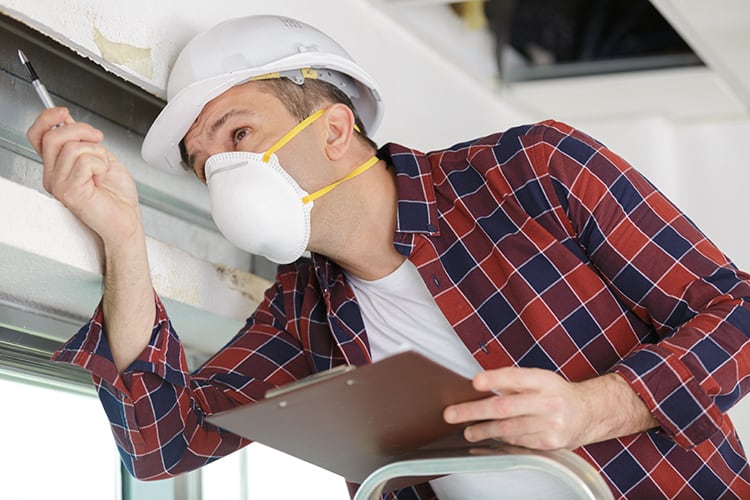
Attending the inspection gives you a front-row seat to your home’s inner workings. It’s your opportunity to see firsthand what’s in good shape, what needs attention, what might require replacement soon and what your routine maintenance schedule will be. Use this time to ask questions and learn about your future home. An inspector can show you where the main shut-off valves, circuit breakers, and HVAC filters are located and provide information that will save you time and stress down the road.
Avoid distractions during the inspection. This isn’t the moment to discuss paint colors or furniture placement. Focus instead on understanding the home’s condition. Take notes and photos for reference, especially of items that need repair or monitoring. If you can’t attend, arrange a detailed phone call or video conference afterward to review the report together. The goal is to walk away with clarity and confidence.
Read the Report Thoroughly
Once you receive the inspection report, don’t skim it, study it. These reports can be lengthy, often 30 to 50 pages, but every page contains information that affects your financial investment. Look beyond the summary section and review each comment carefully. Pay special attention to items rated as “deficient,” “unsafe,” or “end of life.”
Discuss major findings with your real estate agent right away. You typically have a limited window to request repairs or negotiate concessions, so timing matters. Some minor items like worn weatherstripping or missing outlet covers can wait, but others, such as foundation cracks, roof leaks, or electrical hazards, may require immediate attention or specialist follow-up.
Don’t Hesitate to Ask Questions
Many buyers feel hesitant to ask questions, fearing they’ll sound uninformed. But this is exactly what your inspector is there for. No question is too small or too basic when it comes to understanding your potential home. Ask how urgent a particular issue is and whether it poses safety risks, what repairs are recommended, and what it might cost to fix them. For instance, you might ask: “Would you repair this immediately or monitor it?” or “How long before this HVAC system likely needs replacing?” Your inspector can offer context that helps you prioritize repairs and budget realistically. Remember, the more informed you are, the more empowered you’ll be to make smart decisions.
Understand No Home Is Perfect
Even a newly built house can have issues. Some buyers panic when their report lists dozens or even hundreds of findings. Don’t let that discourage you. A detailed report is a good thing; it means the inspector was thorough. The key is distinguishing between cosmetic issues and major structural or safety concerns.
Work with your agent to identify which items should be negotiated with the seller. Major issues like roof leaks, water intrusion, foundation movement, or outdated electrical panels warrant attention. Smaller maintenance items, such as a leaky faucet or chipped paint, are typically the buyer’s responsibility after closing. Focus on what truly impacts the home’s safety, livability, and long-term value.
Don’t Skip Specialized Testing
If your inspector recommends further evaluation, such as testing for radon, mold, termites, or lead-based paint, take that advice seriously. Specialized testing can reveal hidden dangers that are not visible during a general inspection. For example, elevated radon levels pose serious health risks, and untreated mold can spread rapidly, causing costly damage and health concerns. Some tests may require additional fees or scheduling time, but they provide peace of mind and leverage during negotiations. It’s far better to spend a few hundred dollars upfront than face a multi-thousand-dollar surprise after closing.
Verify All Repairs Are Completed Properly
Once you and the seller agree on repairs, follow through by confirming they’re done correctly. Request receipts, warranties, and photos of completed work. Whenever possible, schedule a re-inspection by your original inspector or another qualified professional to verify the quality of the repairs. Unfortunately, not all sellers hire licensed contractors or perform work to code. A re-inspection ensures accountability and protects you from inheriting poor workmanship or unsafe fixes. Alternatively, some buyers choose to negotiate a price reduction or credit at closing to handle repairs themselves after moving in—either option is fine, as long as you confirm the work is properly completed.
Protect Your Investment with the Right Team
A professional home inspection is one of the smartest investments you can make as a buyer. It helps you identify potential problems early, avoid unexpected expenses, and plan for future maintenance. But the process only works when you approach it carefully and strategically.
At Veterans First Realty, we guide our clients through every step of the home-buying process, including the inspection. Our experienced agents understand how to interpret reports, negotiate effectively, and connect you with reputable inspectors and contractors. Whether you’re using a VA loan or buying conventionally, we ensure that you have the knowledge and confidence to make sound decisions about your new home. If you’re preparing to buy, let’s talk. We’ll help you choose the right inspector, review every detail, and protect your investment from start to finish.
A qualified home inspector can uncover hidden problems and provide insight into the home’s future maintenance needs. Their report becomes a powerful tool for negotiating repairs or price adjustments and can even prevent you from buying a property that could turn into a financial headache. However, many buyers make mistakes during the inspection process that lead to unnecessary stress, higher expenses, or missed opportunities. Here’s how to avoid the most common home inspection pitfalls and make sure you’re fully protected before closing day.
Conduct Your Own Preliminary Walkthrough
Long before hiring a professional inspector, take time to perform your own careful walkthrough of the property. Too many buyers rely solely on their inspector to uncover potential issues, but your own observations can provide valuable context for what to expect. Look for visible signs of trouble, cracks in the foundation, water stains on ceilings or walls, mold or mildew, and warped flooring. Check windows for condensation or drafts and examine the roof from the ground for curled or missing shingles. Don’t be afraid to test systems during your showing. Turn on faucets and showers to evaluate water pressure and drainage, and flush toilets to ensure proper flow. Open cabinets under sinks to check for leaks or outdated plumbing. Pay attention to any strong odors, moisture in basements, or evidence of pest activity. By spotting red flags early, you can decide whether to proceed with an offer, request repairs upfront, or move on to another home entirely.
Choose an Experienced, Qualified Inspector
Hiring the right inspector can make or break your experience. While it’s tempting to go with the lowest price, not all inspectors offer the same level of skill or service. Seek recommendations from your real estate agent, friends, or past clients who’ve purchased recently. Interview multiple candidates, verify their licensing and certifications, and confirm they carry errors and omissions insurance. Ask about their background, years of experience, and how many inspections they conduct annually. A seasoned inspector will use advanced tools such as moisture meters, infrared cameras, or drone roof scans to detect issues that might not be visible to the naked eye. Request a sample report to understand their attention to detail. Make sure their report includes photographs, repair recommendations, and clear explanations of findings. Remember, this is not the time to cut corners. A few hundred dollars saved upfront could cost thousands in repairs later.
Be Present During the Inspection
Attending the inspection gives you a front-row seat to your home’s inner workings. It’s your opportunity to see firsthand what’s in good shape, what needs attention, what might require replacement soon and what your routine maintenance schedule will be. Use this time to ask questions and learn about your future home. An inspector can show you where the main shut-off valves, circuit breakers, and HVAC filters are located and provide information that will save you time and stress down the road.
Avoid distractions during the inspection. This isn’t the moment to discuss paint colors or furniture placement. Focus instead on understanding the home’s condition. Take notes and photos for reference, especially of items that need repair or monitoring. If you can’t attend, arrange a detailed phone call or video conference afterward to review the report together. The goal is to walk away with clarity and confidence.
Read the Report Thoroughly
Once you receive the inspection report, don’t skim it, study it. These reports can be lengthy, often 30 to 50 pages, but every page contains information that affects your financial investment. Look beyond the summary section and review each comment carefully. Pay special attention to items rated as “deficient,” “unsafe,” or “end of life.”
Discuss major findings with your real estate agent right away. You typically have a limited window to request repairs or negotiate concessions, so timing matters. Some minor items like worn weatherstripping or missing outlet covers can wait, but others, such as foundation cracks, roof leaks, or electrical hazards, may require immediate attention or specialist follow-up.
Don’t Hesitate to Ask Questions
Many buyers feel hesitant to ask questions, fearing they’ll sound uninformed. But this is exactly what your inspector is there for. No question is too small or too basic when it comes to understanding your potential home. Ask how urgent a particular issue is and whether it poses safety risks, what repairs are recommended, and what it might cost to fix them. For instance, you might ask: “Would you repair this immediately or monitor it?” or “How long before this HVAC system likely needs replacing?” Your inspector can offer context that helps you prioritize repairs and budget realistically. Remember, the more informed you are, the more empowered you’ll be to make smart decisions.
Understand No Home Is Perfect
Even a newly built house can have issues. Some buyers panic when their report lists dozens or even hundreds of findings. Don’t let that discourage you. A detailed report is a good thing; it means the inspector was thorough. The key is distinguishing between cosmetic issues and major structural or safety concerns.
Work with your agent to identify which items should be negotiated with the seller. Major issues like roof leaks, water intrusion, foundation movement, or outdated electrical panels warrant attention. Smaller maintenance items, such as a leaky faucet or chipped paint, are typically the buyer’s responsibility after closing. Focus on what truly impacts the home’s safety, livability, and long-term value.
Don’t Skip Specialized Testing
If your inspector recommends further evaluation, such as testing for radon, mold, termites, or lead-based paint, take that advice seriously. Specialized testing can reveal hidden dangers that are not visible during a general inspection. For example, elevated radon levels pose serious health risks, and untreated mold can spread rapidly, causing costly damage and health concerns. Some tests may require additional fees or scheduling time, but they provide peace of mind and leverage during negotiations. It’s far better to spend a few hundred dollars upfront than face a multi-thousand-dollar surprise after closing.
Verify All Repairs Are Completed Properly
Once you and the seller agree on repairs, follow through by confirming they’re done correctly. Request receipts, warranties, and photos of completed work. Whenever possible, schedule a re-inspection by your original inspector or another qualified professional to verify the quality of the repairs. Unfortunately, not all sellers hire licensed contractors or perform work to code. A re-inspection ensures accountability and protects you from inheriting poor workmanship or unsafe fixes. Alternatively, some buyers choose to negotiate a price reduction or credit at closing to handle repairs themselves after moving in—either option is fine, as long as you confirm the work is properly completed.
Protect Your Investment with the Right Team
A professional home inspection is one of the smartest investments you can make as a buyer. It helps you identify potential problems early, avoid unexpected expenses, and plan for future maintenance. But the process only works when you approach it carefully and strategically.
At Veterans First Realty, we guide our clients through every step of the home-buying process, including the inspection. Our experienced agents understand how to interpret reports, negotiate effectively, and connect you with reputable inspectors and contractors. Whether you’re using a VA loan or buying conventionally, we ensure that you have the knowledge and confidence to make sound decisions about your new home. If you’re preparing to buy, let’s talk. We’ll help you choose the right inspector, review every detail, and protect your investment from start to finish.
Making the Most of Your Military Housing Allowance: Buying Smart