
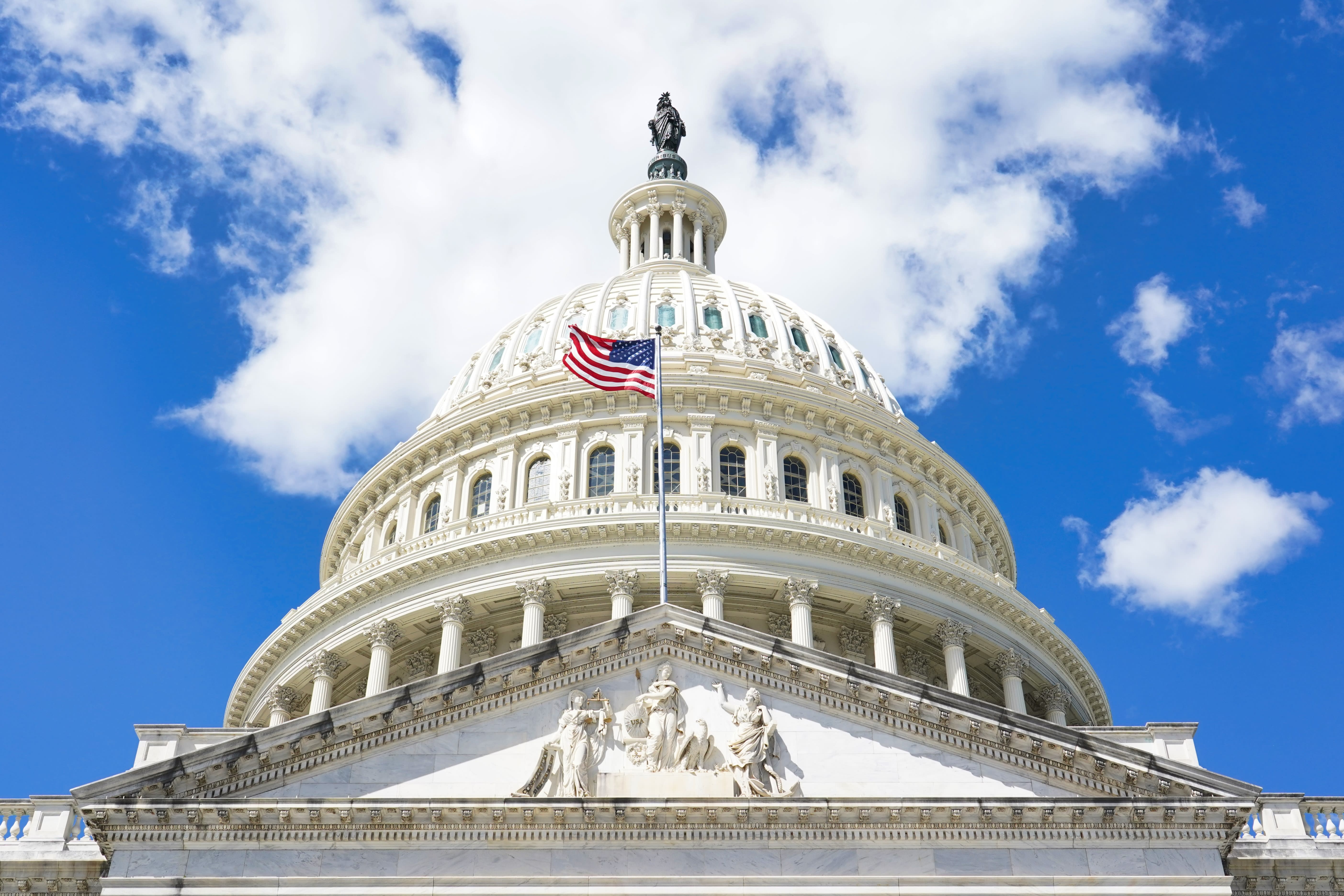

When the government shuts down, many Americans immediately wonder how it will affect their daily lives, especially those planning to buy or sell a home. While essential services like the military and postal service typically continue, other government functions slow down or stop altogether. That can cause real delays in home financing, particularly for borrowers using government-backed loans or programs that depend on federal agencies for approvals and documentation.
During a government shutdown, the impact on home financing depends on the type
of loan and how much each step relies on federal agencies. Conventional loans,
which are backed by private lenders rather than the government, generally
continue with minimal disruption. However, even these can face delays if
lenders can’t verify income, tax returns, or employment through the IRS or
Social Security Administration. Those verification systems are often suspended
or severely slowed during a shutdown, which can delay your closing until the
government reopens.
For homebuyers using federal loan programs, the impact can be much more
significant. FHA loans are backed by the Federal Housing Administration, which
usually keeps limited operations going during a shutdown. Basic loan
endorsements often continue, but approvals for certain programs, such as new
condominium projects or reverse mortgages, may be delayed because they require
staff review. VA loans, which are vital for veterans and active-duty service
members, generally remain available since the Department of Veterans Affairs
continues to guarantee them. However, some processing steps like appraisals and
certificate of eligibility verifications may take longer. USDA loans, which
serve rural and low-income borrowers, are typically the hardest hit. When the
Department of Agriculture shuts down, new USDA loan commitments often pause
entirely until funding is restored.
Another major concern when financing involves flood insurance. The National
Flood Insurance Program (NFIP), managed by FEMA, cannot issue new or renewed
policies during a lapse in authorization. If you’re buying a home in a flood
zone and your lender requires flood insurance, your closing may have to be
delayed until the program resumes operations. Even if your mortgage type isn’t
directly affected, a missing flood policy can sometimes prevent the transaction
from moving forward.
Beyond loan approvals, a shutdown can influence broader market conditions.
Economic uncertainty may cause fluctuations in mortgage interest rates. In some
cases, investors move money into safer government bonds, temporarily lowering
rates. In other cases, concerns about national debt or instability can push
rates higher. For buyers and sellers, that means the timing of your transaction
could impact how much you qualify for or how quickly your property sells.
Buyers who are under contract during a shutdown should stay in close contact
with their lender, real estate agent, and title company. It’s smart to expect
potential delays and build in extra time for closing. If you’re required to
provide additional documents, do so promptly and ask your lender if alternative
verification methods are available. For example, providing pay stubs, W-2s, or
tax returns directly to your lender may help substitute for missing IRS
verification. Sellers should be aware that buyers using VA, FHA, or USDA
financing may need flexibility, as their loan approval process could take
longer through no fault of their own.
Homeowners and federal employees also feel the effects. Those furloughed
without pay may find it harder to qualify for new financing or to make existing
mortgage payments on time. Most lenders encourage open communication and may
offer forbearance or temporary payment relief if the situation continues. It’s
important to contact your lender early if you anticipate any payment issues.
While a government shutdown adds uncertainty, it doesn’t completely stop the
housing market. Homes continue to close every day, though some take a bit
longer. The keys are preparation, patience, and professional guidance. Working
with an experienced agent who understands how these disruptions affect financing,
especially one with VA loan expertise, can make all the difference. At Veterans
First Realty, we monitor changes that affect our clients and work proactively
with lenders and title professionals to keep transactions moving smoothly, even
when government operations slow down.
Whether you’re a veteran, active-duty service member, or civilian buyer, the
best approach during a government shutdown is to stay informed and flexible.
With the right guidance, your home purchase or sale can still move forward successfully,
even in uncertain times.
Veterans First Realty, where honor meets expertise in real estate. Our
dedicated and experienced team specializes in serving those who've served,
providing tailored solutions and personalized service.